

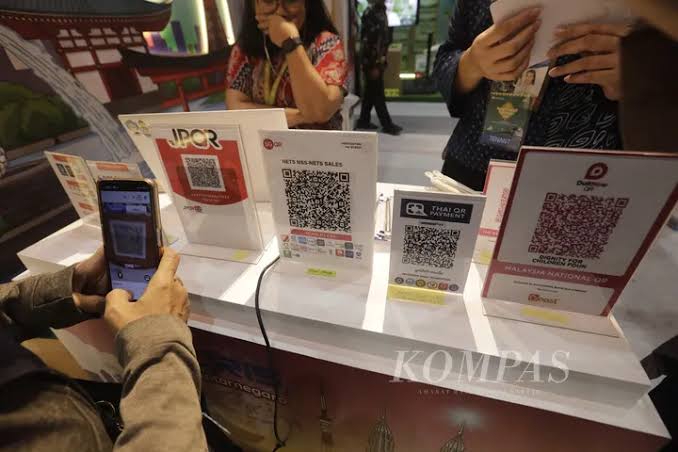
Digital payment technology has changed how people manage everyday purchases. Consumers can now pay for goods and services without carrying physical banknotes or coins, using smartphones and applications connected to financial accounts. This development has made payment processes more integrated with ordinary activities, from purchasing food to paying for transportation and household necessities.
One of the systems supporting this transition in Indonesia is QRIS, or Quick Response Code Indonesian Standard. QRIS provides a standardized QR-based payment method that allows participating payment applications to process transactions through a common system. The approach is designed to make QR payments more consistent for merchants and customers across different financial platforms.
Understanding QRIS as a Payment Standard
QRIS functions as an interoperability standard for QR-based payments. Instead of requiring merchants to display separate QR codes for different payment providers, a compatible QRIS code can be used by customers through participating banking and digital wallet applications.
The general payment process is straightforward. A customer opens a supported application, selects the QR payment feature, scans the merchant’s QR code, checks the displayed information, and authorizes the transaction. Once the payment has been processed, the application normally provides a digital confirmation.
This structure reduces dependence on physical cash while creating an electronic record of the transaction. The record can contain information such as the payment amount, transaction time, and merchant identification, depending on the application used.
How Cashless Transactions Affect Daily Spending
The availability of digital payments changes the practical process of making small and frequent purchases. Customers do not always need to withdraw cash before visiting a merchant that supports QR payments. A smartphone and an active payment account can provide access to the necessary transaction function.
Cashless payments can also simplify transactions where exact change would otherwise be required. Instead of preparing specific denominations, customers can authorize the exact amount displayed by the merchant’s payment system.
However, digital convenience should not replace basic financial awareness. Consumers still need to monitor their available balance and review their transaction history. Because digital payments do not involve physically handling money, individual purchases can sometimes feel less tangible than cash transactions.
QR Payments Across Different Digital Services
QR-based payments can appear in a wide variety of digital environments. Depending on the platform and context, users may encounter terminology such as Slot Qris when researching payment-related information online. The terminology used by individual services does not change the fundamental role of QRIS as a standardized QR payment infrastructure.
Users should distinguish between the payment standard and the commercial service accepting the payment. QRIS itself functions as a payment mechanism, while individual merchants, platforms, and applications may establish their own transaction conditions, limits, verification procedures, or refund policies.
Reading the payment information displayed before authorization is therefore an important part of the process. The merchant name, transaction value, and other available details should correspond with the purchase being made.
Security Practices for QR-Based Payments
Digital payment systems require careful handling of account credentials and transaction information. Users should protect their mobile banking and digital wallet applications with appropriate authentication methods, including passwords, PINs, biometric verification, or other security controls supported by the provider.
QR codes should also be checked before scanning. A code displayed by an unknown source may lead to an unintended payment destination. In physical locations, users should confirm that the QR code belongs to the expected merchant and has not been covered or replaced.
After scanning, the payment confirmation screen should be reviewed carefully. Particular attention should be given to the recipient or merchant name and the amount requested. If any information appears inconsistent, authorization should be postponed until the details have been verified.
One-time passwords and verification codes should remain private. Legitimate financial providers generally use authentication mechanisms to confirm transactions, but users should never disclose security codes to other individuals.
Small-Value Transactions and Digital Deposits
Digital payment infrastructure can accommodate transactions involving relatively small amounts. This is relevant to consumers who prefer electronic payment methods for low-value purchases or deposits rather than handling physical currency.
For example, the phrase Slot Deposit 5000 may appear in online discussions involving small-value payment transactions. The actual minimum amount, processing conditions, transaction limits, and available payment options depend on the specific service involved and should be checked directly before a payment is authorized.
Payment applications may also impose their own rules regarding transaction limits, account verification, service availability, or processing times. These conditions can vary between providers and may change as financial services update their systems.
Transaction Records and Personal Financial Management
One practical feature of digital payments is the availability of transaction histories. Unlike cash purchases, electronic transactions can generally be reviewed through an application or account statement.
Regularly checking these records can help users identify recurring expenses and understand their spending patterns. Transactions can be grouped into categories such as groceries, transportation, dining, utilities, and other household expenses.
Payment notifications can provide another layer of awareness. When enabled, they allow users to receive immediate information after a transaction is processed. Reviewing these notifications can help identify unfamiliar activity more quickly.
Digital records may also simplify reconciliation between personal spending and account balances. Instead of relying entirely on memory or physical receipts, users can refer to recorded transactions when reviewing their finances.
QRIS and the Broader Digital Payment Environment
The development of standardized QR payments is part of a wider transformation in financial technology. Mobile banking, electronic wallets, QR-based transactions, and other digital services are increasingly interconnected with everyday commerce.
Nevertheless, cash remains relevant in situations where merchants do not support digital payments, internet connectivity is unavailable, devices cannot be used, or other technical limitations occur. For this reason, cashless payment systems are better understood as an additional financial mechanism rather than an absolute replacement for every existing payment method.
Understanding how QRIS works, checking transaction details, protecting authentication credentials, and reviewing payment records are fundamental practices for anyone using QR-based financial services. These practices remain relevant regardless of the specific banking application, digital wallet, merchant, or transaction value involved.
