

Introduction
Trees add beauty, shade, and value to homes, gardens, parks, and commercial properties. However, severe weather, strong winds, heavy rain, and damaged branches can turn a healthy-looking tree into a serious safety risk. A fallen tree can block a driveway, damage a roof, interrupt access to a road, or bring down power lines. When these problems happen, quick and professional help becomes essential. This is where emergency tree services in Cork play an important role in protecting people, property, and outdoor spaces.
Cork experiences changing weather conditions throughout the year, including periods of heavy rainfall and strong Atlantic winds. These conditions can weaken tree roots, loosen branches, and cause unstable trees to fall without much warning. Emergency tree surgeons provide urgent assistance by assessing dangerous trees, removing fallen trunks, clearing storm debris, and making damaged areas safer. Whether you own a home, manage a business, or look after a rental property, understanding when to request emergency tree removal can help you respond confidently. Knowing what to expect from a professional tree care team also makes it easier to protect your property and reduce the risk of further damage.
When Do You Need Emergency Tree Services in Cork?
Not every tree problem requires immediate attention, but certain situations should never be ignored. A tree that has fallen across a road, blocked a driveway, damaged a building, or created a danger to pedestrians needs urgent assessment. Large branches hanging over a roof, a tree leaning suddenly after a storm, or visible cracks in the trunk may also indicate a serious structural problem. If a tree begins lifting out of the ground or its roots appear exposed, it may be unstable and could fall unexpectedly. In these circumstances, contacting a provider of emergency tree services in Cork can help you understand the level of danger and arrange suitable action before the situation becomes worse.
Emergency tree work is also important when a damaged tree threatens neighbouring properties, public access routes, or business premises. For example, a broken limb above a shop entrance could injure someone, while a fallen tree in a shared access lane might prevent residents or emergency vehicles from passing. If branches touch or fall near overhead electricity cables, keep well away and contact the electricity network operator or emergency services as appropriate. Never attempt to move the tree or cut branches near live wires yourself. When there is an immediate threat to life or serious injury, call the emergency services. For other urgent tree hazards, a qualified local tree surgeon can inspect the problem, explain the safest approach, and determine whether immediate tree removal, branch reduction, or temporary safety measures are needed.
How Storm Damage Can Make Trees Dangerous
Storms can cause several types of tree damage, and some are difficult to identify from the ground. Strong gusts may break major limbs, split trunks, or loosen roots in wet soil. Heavy rain can reduce the stability of trees growing in saturated ground, particularly when combined with strong winds. Older trees, trees with existing decay, and those with weak branch connections may be more vulnerable to damage. However, even a healthy tree can suffer structural failure during severe weather. After a storm passes through Cork, property owners should pay attention to newly leaning trees, hanging branches, damaged bark, and unusual movement around the base of a trunk. These warning signs may indicate that professional inspection is needed.
Storm damage does not always mean a tree must be removed completely. In some cases, careful pruning or the removal of a broken limb may restore a reasonable level of safety while preserving the rest of the tree. In other situations, extensive trunk damage, severe root failure, or major structural splitting may make removal the safest option. Emergency tree surgeons assess the tree’s condition, surrounding structures, access restrictions, and the risk of falling material before choosing a suitable method. They may use specialist cutting equipment, climbing techniques, or machinery where site conditions allow. Acting quickly after storm damage can reduce the chance of additional harm, but safety should always come first. Avoid standing beneath damaged branches or attempting DIY tree cutting, especially when the tree is large, unstable, or close to buildings.
What Happens During an Emergency Tree Removal Service?
When you contact an emergency tree removal company in Cork, the first step is usually to gather information about the situation. The tree surgeon may ask where the tree is located, whether it has fallen, whether anyone is in danger, and whether it is touching a building or power line. Clear photographs taken from a safe distance can help explain the problem, although an on-site inspection may still be necessary. Based on the information available, the company can determine the urgency of the job, identify access challenges, and advise you on what to do while waiting. Response times depend on weather conditions, crew availability, the severity of the hazard, and whether specialist equipment is required.
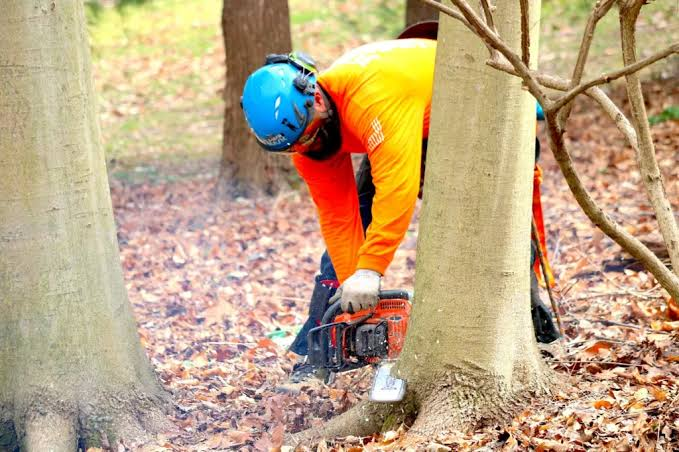
Once the team arrives, trained professionals assess the tree and plan a controlled removal or stabilisation process. They may establish an exclusion zone, protect nearby structures where possible, and divide a fallen trunk into manageable sections. Large trees may require rigging systems, professional climbing equipment, chainsaws, or lifting machinery. The correct method depends on the tree’s size, condition, location, and the space available to work safely. After the immediate danger has been addressed, the team may remove branches, cut the trunk into sections, and clear debris from accessible areas. Some companies also provide stump removal, wood chipping, and green waste disposal as additional services. Before work begins, ask what is included in the quoted price, whether waste removal is covered, and if further work may be required. Clear communication helps you understand the service and avoid unexpected costs.
Choosing a Reliable Emergency Tree Surgeon in Cork
Choosing the right professional is important when a tree creates an urgent safety concern. Look for an established tree surgery company with experience in emergency tree removal, storm damage clearance, and hazardous tree assessment. A reliable provider should explain the proposed work clearly, identify major risks, and use suitable equipment for the conditions on your property. It is also sensible to ask about public liability insurance, relevant staff training, and the company’s approach to health and safety. Professional tree work can involve falling timber, heavy machinery, overhead hazards, and restricted working areas, so experience and proper risk management matter. If the job is complex, ask how the team plans to protect nearby buildings, fences, vehicles, and other trees.
Availability is another important factor when comparing emergency tree services in Cork. A company that handles urgent callouts may be better placed to respond to fallen trees or dangerous branches after severe weather. However, avoid choosing a provider based on speed alone. The cheapest quote may not include debris removal, specialist machinery, or the full work needed to make the area safe. Ask for a clear explanation of the work, likely costs, possible extra charges, and expected response time. You should also confirm whether the company can handle the specific problem, such as a tree resting on a roof or a large trunk blocking access to a property. A professional service will communicate honestly about its capabilities and any delays caused by unsafe weather or limited access. These checks help you make a better decision during a stressful situation.
Emergency Tree Services for Homes and Commercial Properties
Fallen trees and broken branches can affect residential properties in many ways. A tree may land on a garage, damage roof tiles, break a garden wall, or block the only entrance to a house. In some cases, fallen timber can damage vehicles, outdoor furniture, sheds, or garden fencing. Homeowners should avoid entering areas where branches are unstable or where a damaged tree could fall further. If the tree has damaged the building, stay clear of any compromised structure and seek emergency assistance when necessary. A professional tree surgeon can assess the remaining hazards and remove accessible debris using a planned method. If the incident involves significant property damage, take photographs from a safe location and contact your insurer to ask about the evidence and documentation required for a claim.
Commercial properties face additional challenges when storm damage affects customer entrances, car parks, loading bays, or access roads. A blocked entrance can disrupt deliveries, create risks for staff and visitors, and prevent normal business operations. Landlords, property managers, schools, and facilities teams may also need prompt assistance to protect shared outdoor areas. Emergency tree surgeons can help clear fallen timber, remove hazardous branches, and restore safe access where conditions permit. For larger sites, a planned inspection after severe weather can identify damaged trees before they cause further problems. Businesses should also consider how tree-related hazards affect pedestrians, neighbouring premises, and public areas. Although emergency removal can reduce immediate risks, the work should be carried out in a controlled way rather than rushed. A qualified team can help balance the need for a prompt response with the safety of everyone nearby.
Preventing Future Tree Emergencies in Cork
Although severe storms cannot be prevented, regular tree maintenance can reduce some of the risks around your property. Routine inspections may identify dead branches, damaged limbs, signs of decay, weak branch unions, or root problems before they develop into more serious hazards. Trees near buildings, driveways, footpaths, and parking areas deserve particular attention because falling branches can cause injury or property damage. Professional pruning can remove selected dead or unsafe branches and help maintain a tree’s structure. However, excessive cutting can harm tree health and create new weaknesses, so pruning should be based on the condition and needs of the individual tree. A qualified tree surgeon can recommend appropriate maintenance and explain when closer monitoring or further assessment is necessary.
Property owners in Cork can also take simple steps to prepare for periods of severe weather. Check trees after major storms, keep access routes clear of loose garden debris, and avoid parking beneath visibly damaged branches when safer options are available. If you manage a commercial site, include trees and outdoor areas in your routine property inspections. Where a tree repeatedly causes concern, seek professional advice rather than waiting for another storm to reveal the problem. It is also important to remember that not every leaning tree or exposed root system means removal is necessary; the level of risk depends on several factors, including soil conditions, tree structure, and the surrounding environment. Before removing or heavily pruning a tree, check whether local planning requirements, tree preservation measures, or other legal restrictions apply. Responsible maintenance supports tree health while helping protect people, buildings, and public spaces from avoidable hazards.
Conclusion
Tree emergencies can happen without warning, particularly when strong winds and heavy rain affect Cork. Fallen trunks, broken branches, unstable roots, and storm-damaged trees can create serious risks for homes, businesses, roads, and gardens. Knowing when to seek professional help is an important part of keeping your property safe. Emergency tree services in Cork provide practical support through hazardous tree assessments, emergency tree removal, storm debris clearance, and other urgent tree surgery work. The right response depends on the severity of the damage, the location of the tree, and the risks surrounding it.
When choosing an emergency tree surgeon, prioritise experience, appropriate insurance, safe working practices, and clear communication about costs and services. Avoid attempting dangerous tree work yourself, especially when large branches, unstable trunks, or power lines are involved. After the immediate problem has been resolved, regular inspections and suitable tree maintenance can help identify potential hazards before the next storm arrives. By acting promptly when danger appears and planning ahead wherever possible, homeowners and businesses can protect their properties while preserving healthy trees when it is safe to do so. Professional support makes it easier to respond to unexpected tree damage with a clear plan and a strong focus on safety.
